Scarface (1932): The World Is Yours
Dwarfed by the enormous popularity of Brian De Palma’s 1983 remake, interrogating the original Scarface requires a close and careful reading.


Dwarfed by the enormous popularity of Brian De Palma’s 1983 remake, interrogating the original Scarface requires a close and careful reading.
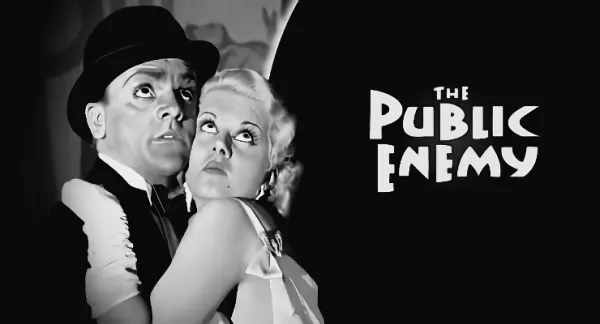
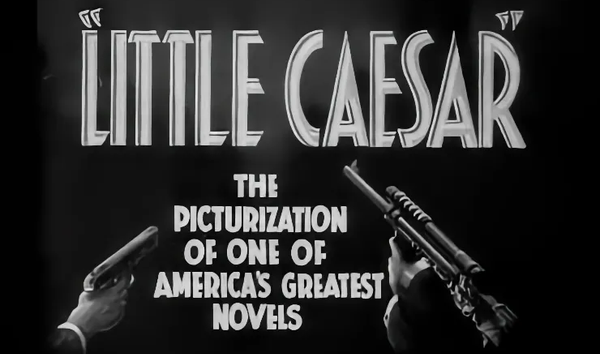
The most revealing methodology is to compare the film with other gangster movies of the era. Although nowhere near as prominent, the theme of friendship and betrayal that dominates Little Caesar (1931) also has a place in Scarface. The same can be said of the family dynamic explored in The Public Enemy (1931). Instead of a protective older brother, Scarface portrays Tony’s younger sister Cesca as the more virtuous sibling.
Through Cesca, Scarface explores the depression-era gender bias discussed more thoroughly in 1933’s Baby Face. Like Lily Powers, Cesca also deals with patriarchal double standards. While it’s perfectly okay for Tony to be a mobster, to murder mobsters, and to steal a mobster’s girlfriend—when Cesca falls in love with Guino Rinaldi—Tony flies into a rage and kills him.